01/19/2026
I Was in a Car Accident in Santa Clarita and Now I Don’t Know What to Do Next

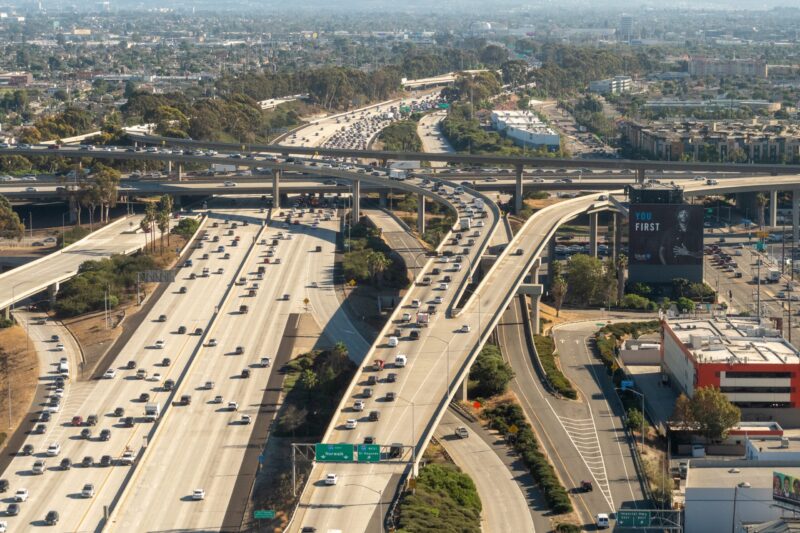
California has some of the most beautiful scenery in the country, but its roads tell a different story. With millions of drivers on the road every day, the state consistently ranks among the highest in the nation for traffic fatalities and serious injury crashes. Whether you commute daily, travel for work, or simply drive to run errands, the risk of a serious accident on California’s roadways is very real.
At Miller Wilmers APC, our Santa Clarita personal injury attorneys have seen firsthand the devastation that crashes on these dangerous roads cause for victims and their families. Understanding where the most dangerous stretches are and what makes them so deadly is the first step toward protecting yourself and knowing your rights if the worst happens.
Contact us today at (661) 310-1357 to learn more about securing compensation after a car accident in California.
California’s traffic fatality numbers have remained high in recent years. According to data from the California Office of Traffic Safety, thousands of people lose their lives on the state’s roads each year, with tens of thousands more suffering serious injuries. Factors like high traffic volume, distracted driving, speeding, impaired driving, poor road design, and inadequate lighting all contribute to the crisis.
Sierra Highway, which runs through the Santa Clarita Valley and surrounding communities, is one of the most consistently dangerous roads in Los Angeles County. The combination of high speeds, frequent intersections, limited lighting in certain stretches, and heavy local traffic creates conditions where rear-end collisions, side-impact crashes, and pedestrian accidents occur with alarming regularity.
As a firm based in Santa Clarita, Miller Wilmers APC has represented many victims injured on this very road. If you or a loved one was hurt here, our Santa Clarita car accident lawyers are ready to help.
Interstate 5 is the backbone of California’s highway system, stretching from the Oregon border all the way to San Diego. Its sheer volume of traffic, including a massive concentration of commercial trucks, makes it one of the deadliest freeways in California year after year.
High-speed merging lanes, frequent construction zones, and congestion-related stop-and-go traffic create a constant danger. Fatal multi-vehicle pile ups are not uncommon, particularly in the Grapevine corridor between Los Angeles and the Central Valley.
US-101 is one of California’s most iconic highways, but iconic does not mean safe. Running through major urban centers like Los Angeles, San Jose, and San Francisco, as well as more rural coastal stretches, US-101 sees an enormous range of crash types.
Urban sections suffer from heavy congestion and distracted driving, while rural portions are prone to high-speed crashes and limited emergency response times. Pedestrian and bicycle fatalities are also a concern in and around city interchanges.
State Route 99 cuts through the heart of California’s Central Valley and has long been considered one of the most dangerous highways in California. Heavy commercial truck traffic serving the agricultural industry mixes with passenger vehicles at high speeds, often in conditions of reduced visibility caused by tule fog in the winter months. Tule fog alone has been responsible for dozens of catastrophic chain-reaction crashes along this corridor over the years.
Interstate 15 is a high-speed corridor connecting Southern California to Las Vegas, and it carries an enormous volume of weekend travelers in addition to daily commuters and freight trucks.
The stretch through San Bernardino County is particularly dangerous, with speeds regularly exceeding 80 miles per hour, extreme desert heat that affects tire integrity, and drivers who are fatigued from a long weekend away. Rollover crashes and high-speed rear-end collisions are among the most common accident types here.
SR-74, also known as Florida Avenue in the Hemet area, consistently appears in Riverside County crash data as one of the region’s deadliest corridors. The road transitions between rural and suburban environments, with speed limits that change frequently and intersections that drivers often approach too fast. Left-turn collisions and crashes involving pedestrians and cyclists are particularly common. The area around Hemet and San Jacinto has seen repeated fatal crashes along this stretch.
The SR-57 corridor through Orange County is one of the more densely traveled freeways in Southern California. Heavy commuter traffic, frequent on-ramp and off-ramp merging, and the junction with SR-60 and I-10 to the north create a consistently dangerous driving environment.
Rear-end crashes during peak commute hours are frequent, and the freeway’s limited shoulder space means that breakdowns and minor incidents quickly escalate into major hazards.
The I-405 is regularly cited as one of the busiest and most dangerous freeways in the entire country, not just California. Running through the densest parts of Los Angeles, it carries an almost inconceivable volume of daily traffic.
Distracted driving, aggressive lane changes, and unpredictable congestion patterns make it a hotspot for rear-end collisions and sideswipe accidents. The stretch through the Sepulveda Pass and around the interchange with I-10 is among the most crash-prone in the state.
SR-138 runs through the high desert region of San Bernardino County and is one of the deadliest two-lane roads in California. It connects communities like Palmdale and Lancaster to the I-15 corridor and sees a dangerous mix of local traffic, high speeds, and limited passing opportunities. Head-on collisions resulting from unsafe passing attempts are a recurring tragedy on this road, and emergency response times in the remote sections can be dangerously long.
Interstate 10 through the Inland Empire rounds out this list as one of the most dangerous highways in California for both passenger vehicles and commercial trucks. The highway serves as a major freight corridor connecting the Los Angeles basin to the rest of the country, meaning heavy trucks are a constant presence.
Extreme summer heat, high speeds, and a high volume of distracted and fatigued drivers all contribute to a disproportionate number of serious crashes, including fatal truck accidents that cause catastrophic harm.
If you are involved in a collision on any of California’s dangerous roadways, the steps you take immediately afterward matter enormously for your health and your legal rights.
California’s statute of limitations for filing personal injury claims is generally two years from the date of the accident. Acting quickly gives your legal team the best chance to investigate, gather evidence, and build the strongest possible case on your behalf.
When a serious crash happens on one of California’s most dangerous roads, the aftermath can be overwhelming. Medical bills pile up, insurance companies push back, and victims are often left feeling like they have nowhere to turn.
At Miller Wilmers APC, our Santa Clarita car accident attorneys handle every aspect of the claims process, from investigating the crash and identifying all liable parties to negotiating aggressively with insurers and taking cases to trial when necessary. We handle car accident claims, truck accident cases involving commercial carriers, and wrongful death claims for families who have lost a loved one to someone else’s negligence.
When a crash results in a fatality, our Santa Clarita wrongful death lawyers help surviving family members pursue the full compensation they are entitled to, including lost income, funeral expenses, and damages for the loss of companionship and support.
For those injured in collisions involving commercial vehicles, our Santa Clarita truck accident lawyers understand the unique challenges of cases involving trucking companies, federal regulations, and commercial insurance policies that are specifically designed to limit payouts to victims.
Regardless of where your accident happened in California, Miller Wilmers APC is ready to stand in your corner. Contact us today at (661) 310-1357 to schedule your free consultation and learn how we can help you move forward.