
01/19/2026
I Was in a Car Accident in Santa Clarita and Now I Don’t Know What to Do Next

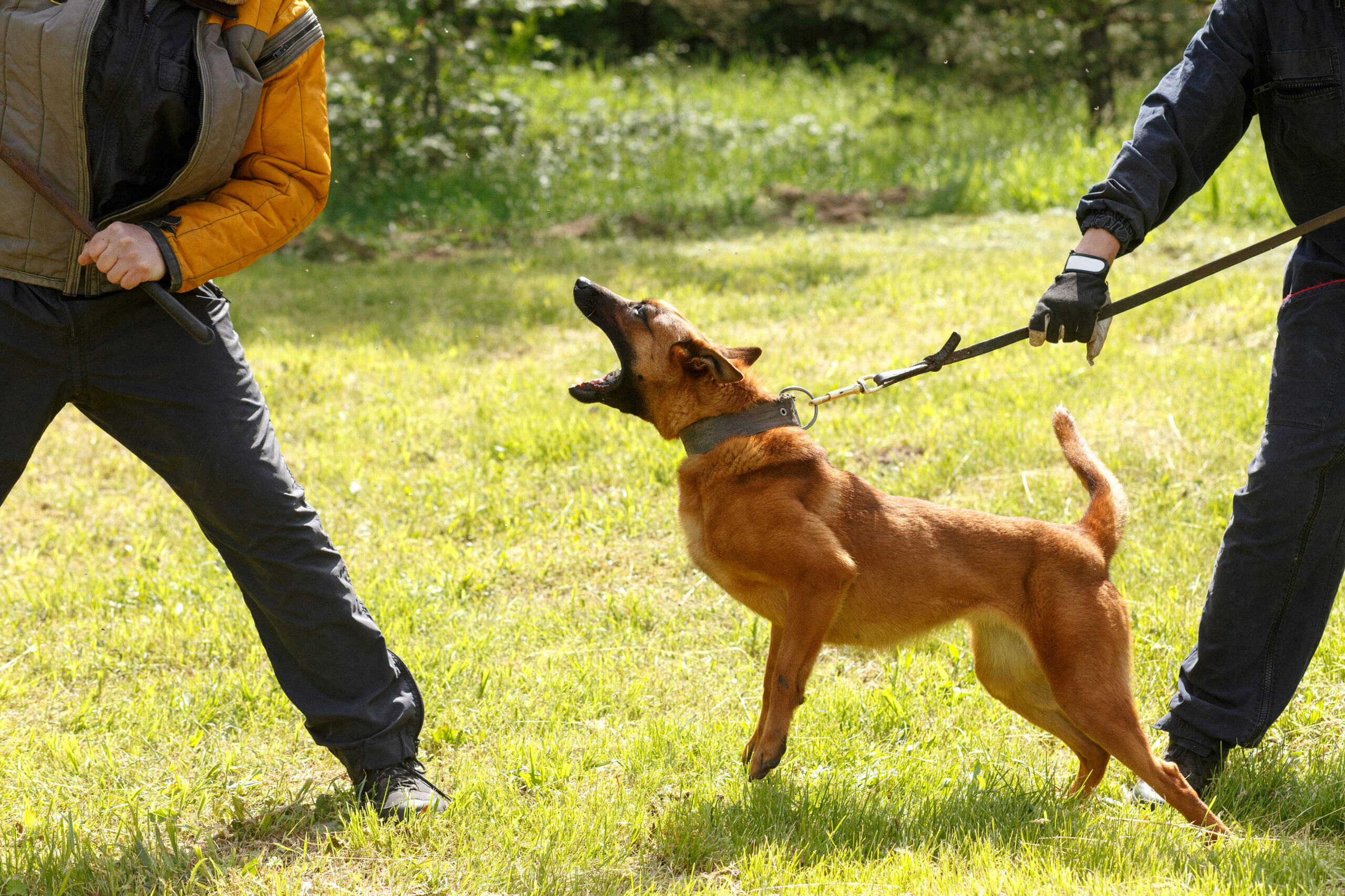
A dog bite can happen in an instant and leave victims with serious physical injuries, emotional trauma, and mounting medical bills. If you or someone you love was bitten by a dog in California, understanding your legal rights is the first step toward getting the compensation you deserve. California has some of the strongest dog bite protections in the country, and victims may not need to prove that the owner knew the dog was dangerous in order to recover compensation.
Under California Civil Code Section 3342, dog owners are strictly liable for bites that occur in public places or when the victim was lawfully on private property. That means the owner can be held responsible regardless of the dog’s prior behavior or whether the owner was negligent. Miller Wilmers APC’s personal injury lawyers represent dog bite victims throughout Santa Clarita and Southern California. Call (661) 310-1357 or contact us online for a free consultation.
Strict liability means that a dog owner is legally responsible for a bite regardless of whether they knew the dog had ever been aggressive before. You do not need to prove the owner was careless or that the dog had a history of biting. The fact that the bite occurred is enough to establish liability, provided the basic requirements are met.
For strict liability to apply under California law, the bite must have occurred in a public place or while the victim was lawfully on private property, including the owner’s property. A visitor invited to a friend’s home, a mail carrier delivering a package, or a child playing in a neighbor’s yard are all examples of individuals who may qualify for strict liability protection if they are bitten.
No. California does not follow the traditional one bite rule. Many states require an injured person to prove that the dog had bitten someone before or that the owner knew the dog was dangerous. Under that framework, a dog essentially gets a free first bite before the owner faces legal consequences. California rejected that approach entirely.
Under California’s strict liability statute, a first-time bite is fully actionable. The owner cannot defend against a claim simply by saying the dog had never done anything like that before. This distinction matters significantly for victims, because it removes one of the most common defenses dog owners and their insurance companies attempt to use.
While prior behavior is not required to establish liability under strict liability, it can still be relevant in other ways. Evidence of prior attacks or aggressive behavior can support a claim for enhanced damages or punitive damages if the owner knowingly exposed others to a dangerous animal. It can also affect how an insurance company evaluates the claim and whether the owner faces additional legal exposure beyond compensating the immediate victim.
California’s strict liability rule is broad, but it is not unlimited. Several exceptions can reduce or eliminate an owner’s liability.
Trespassing is the most significant exception. If the person bitten was on private property without permission or legal right, strict liability does not apply. However, trespassing is defined specifically under the law, and not every uninvited presence qualifies as trespass.
Provocation is another recognized exception. If the victim provoked the dog through teasing, hitting, or other conduct that caused the bite, the owner may argue that the victim’s own actions were responsible. Courts evaluate provocation based on what a reasonable person would understand as provoking behavior.
Police and military dogs performing official duties are specifically exempt from California’s strict liability statute when biting a suspect during lawful law enforcement activity.
Assumption of risk applies to certain professionals such as veterinarians and dog trainers who knowingly work with dogs as part of their job. These individuals are generally considered to have accepted the inherent risks associated with handling animals.
Taking the right steps after a dog bite protects both your health and your legal claim. At Miller Wilmer APC, our dog bite attorneys recommend:
California gives dog bite victims two years from the date of the bite to file a personal injury lawsuit. If a claim involves a government entity, such as a police dog or a dog owned by a public agency, a government tort claim must be filed within six months of the incident. Missing either deadline generally bars you from recovering compensation regardless of how strong your case is.
A successful dog bite claim in California may allow you to recover:
In serious or fatal cases, surviving family members may also pursue wrongful death damages.
Dog bite claims in California may seem straightforward given the strict liability framework, but insurance companies still look for ways to minimize payouts. They may argue provocation, dispute the severity of injuries, or question whether the victim was lawfully on the property. An experienced California dog bite lawyer can investigate the circumstances of the attack, gather medical documentation, counter insurance tactics, and pursue the full value of your claim.
Miller Wilmers APC is a personal injury firm built by California natives Caleb and Justin, who grew up in Santa Clarita and built this practice specifically to serve the community they call home. That local foundation is not a marketing point. It means we know the streets, neighborhoods, and businesses where our clients work and live.
Behind every dog bite case is a person who was hurt through no fault of their own, and Miller Wilmers APC treats every client with the personalized attention, compassionate service, and transparent communication that reflects that reality. Our track record backs it up, with a documented history of turning modest initial offers into multi-million dollar recoveries for clients who deserved far more than they were originally offered.
If you were bitten by a dog in Santa Clarita or anywhere in Southern California, Miller Wilmers APC is ready to fight for the compensation you deserve. Contact us at (661) 310-1357 to schedule your free consultation today.